
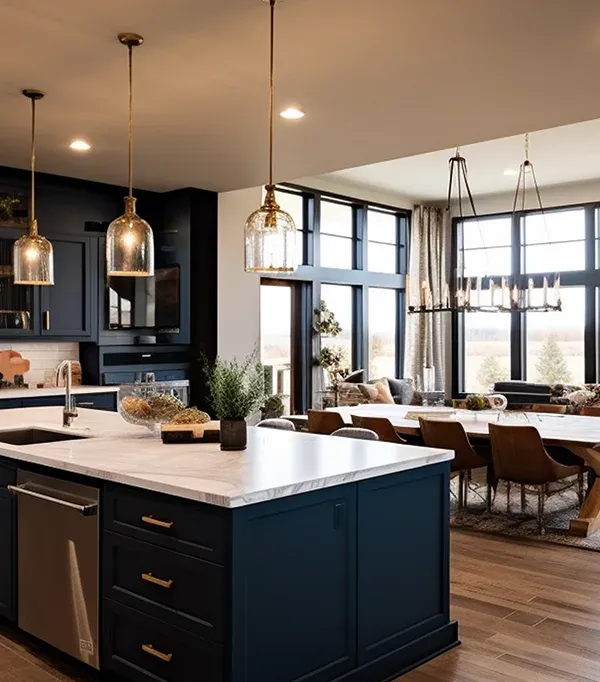
The renovations that deliver the best long-term value are usually those that improve how a home functions, address existing problems and create spaces that remain useful for years. Kitchens, bathrooms, practical layout improvements, quality storage and essential building repairs can all strengthen a property, but the right priorities depend on the home itself rather than chasing a guaranteed percentage return.
Key Takeaways
- Kitchens and bathrooms remain high-impact renovation areas.
- Improving layout and functionality can benefit the entire home.
- Maintenance and remedial works protect the underlying property before cosmetic upgrades are considered.
- Durable materials usually offer better long-term value than short-lived trends.
- The best renovation strategy depends on whether you plan to stay, sell or hold the property long term.
What Does “Return” Really Mean in a Home Renovation?
When people talk about renovation return, they often mean resale value. But financial return is only one part of the equation.
A renovation can also provide value through:
- Better everyday functionality
- Improved comfort
- More usable storage
- Reduced ongoing maintenance
- Greater durability
- More efficient use of existing floor space
- Broader appeal if the property is eventually sold
This is why homeowners planning a full home renovation should start with the problems the property actually needs to solve.
A renovation designed around how the home is used is more likely to remain valuable than one based entirely on short-lived trends.
Why Kitchens Remain a High-Impact Renovation
The kitchen often influences how the entire living area functions.
A well-planned kitchen renovation can improve circulation, storage, food preparation and the relationship between kitchen, dining and living spaces.
Long-term value often comes from practical improvements such as:
- Better cabinetry and storage
- More efficient work zones
- Durable benchtops
- Improved lighting
- Integrated appliances
- Better connections to adjoining living areas
Premium finishes can enhance the result, but functionality should come first.
A beautifully finished kitchen that lacks storage or has an awkward layout can quickly become frustrating.
Bathrooms Combine Practicality with Buyer Appeal
Bathrooms are another area where renovation can make a noticeable difference.
Older bathrooms may suffer from poor ventilation, outdated waterproofing, inefficient layouts or worn finishes. Addressing these issues while improving comfort can benefit both current occupants and future buyers.
A thoughtful bathroom renovation may include:
- Improved waterproofing
- Better ventilation
- More practical storage
- Quality fixtures
- Easier-to-maintain finishes
- Improved lighting
- Better use of limited floor space
Rather than following highly specific trends, neutral and durable selections tend to give homeowners greater flexibility over time.
Can Improving the Layout Deliver More Value Than New Finishes?
Sometimes, yes.
A home may have attractive finishes but still feel difficult to live in because of:
- Poor circulation
- Small disconnected rooms
- Limited storage
- Underused spaces
- Inadequate natural light
- Kitchens isolated from living areas
Reconfiguring the layout can improve several parts of the home at once.
This is particularly relevant in established Sydney houses and apartments where the original floor plan may no longer suit contemporary lifestyles.
Where structural changes are appropriate, improving the underlying layout can create longer-lasting value than simply replacing surface finishes.
Do Repairs and Remedial Works Count as an Investment?
Absolutely, although the return is different from a cosmetic renovation.
Issues such as persistent water ingress, failed waterproofing or deteriorating building elements can become more expensive if left unresolved.
Property repairs and maintenance help preserve a property, while remedial building services address more significant or recurring defects.
These works may not create the immediate visual transformation of a new kitchen, but they can protect the building itself.
There is little benefit in investing heavily in new finishes while an unresolved underlying problem continues to cause damage.
Choose Materials for Longevity, Not Just Appearance
The most expensive material is not automatically the best investment.
Long-term value comes from selecting materials appropriate for:
- How frequently the space is used
- Maintenance requirements
- Moisture exposure
- Coastal conditions
- Household lifestyle
- The architectural character of the property
This is particularly important across Sydney’s Northern Beaches, where coastal exposure can influence the durability of external materials and fittings.
Good design considers how a material will perform in five or ten years, not just how it looks on installation day.
Should You Renovate for Yourself or for Resale?
That depends on your plans for the property.
If you intend to stay for many years, prioritise changes that improve your everyday lifestyle while remaining adaptable.
If you expect to sell sooner, broader appeal becomes more important. Highly personalised layouts or unusual finishes may suit one homeowner perfectly but narrow the pool of future buyers.
The strongest middle ground is usually a home that feels considered, functional and well built without depending heavily on a particular trend.
No renovation can guarantee a specific financial return, and property values are influenced by many factors outside the renovation itself.
Future-Proof the Home, Not Just the Finish
The best renovation investments solve real problems.
A better kitchen, a properly designed bathroom, improved circulation, additional storage or rectification of an underlying building issue can continue delivering value long after the renovation is complete.
Rather than asking only which renovation will add the most money to a property, consider which improvements will make the home more functional, durable and appealing over the long term.
Explore Faber Homes’ recent projects for inspiration or contact Faber Homes to discuss how to prioritise your Sydney renovation.