
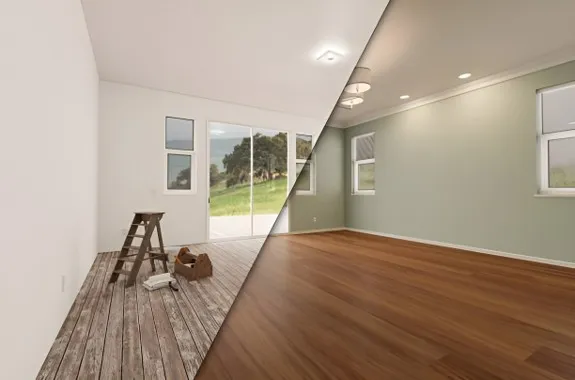
Planning a renovation raises one big question early on: should you transform the whole home in one project or work through it room by room? Each approach affects your budget, timeline and daily life. At Faber Homes, we guide Sydney homeowners through full and staged renovations every year. This guide weighs up both options so you can choose with confidence.
Key Takeaways
- A full renovation is often faster and more cohesive.
- Staged work spreads costs across a longer period.
- Rising build costs can make delays more expensive.
- A clear masterplan matters for both approaches.
- Hidden hazards are easier to manage in one project.
Why This Decision Matters
Renovating is one of the biggest investments many homeowners make. A Houzz survey reported by Your Mortgage found that median renovation spending rose to $30,000, while higher budget projects were planned at around $138,000.
How you sequence that work affects more than cost. It shapes how long your home is disrupted, how well the finished spaces flow together and how much stress you carry along the way.
Option 1: Renovating Everything at Once
A full home renovation tackles every planned area in a single, coordinated project. Kitchens, bathrooms, living spaces and services are designed together and built in one program.
Advantages
- One consistent design across every room
- Shorter overall disruption compared with years of stages
- Efficient use of trades and site setup
- Services upgraded once, including wiring, plumbing and insulation
- Locked in pricing before costs rise further
Things to Consider
- A larger upfront budget or finance is needed
- You may need to move out during construction
- More decisions must be made early
At Faber Homes, home design and renovation service covers full home and apartment projects from design through to completion.
Option 2: Renovating in Stages
A staged renovation breaks the work into separate projects. You might start with a bathroom, then the kitchen, then living areas over several years.
Advantages
- Costs spread over a longer period
- Lower immediate financial pressure
- Time to live in the space and refine ideas
- Easier to stay at home while smaller areas are completed
Things to Consider
- Repeated disruption over many years
- Higher total cost from multiple setups and mobilisations
- Risk of mismatched styles between stages
- Some work may need to be redone later
How Rising Costs Affect Your Choice
Timing has become a bigger factor in recent years. The New Daily reported that construction costs rose about 40 percent over five years. CoreLogic’s Cordell Construction Cost Index was up 30.8 percent since the onset of Covid.
Delays carry real risk too. YourLifeChoices reported Equifax findings that only 29 percent of Australians doing major renovations finished on time. It also found 34.7 percent of Australians could absorb only a 1 to 5 percent cost increase before cutting back or abandoning work.
When costs keep climbing, spreading work over many years can mean paying more for later stages. A full renovation can lock in pricing sooner.
Hidden Hazards in Older Sydney Homes
Many Sydney homes were built decades ago. Opening walls and floors during renovating an older sydney home can reveal materials that need careful handling.
Woollahra Council notes that asbestos is still found in 1 in 3 homes across Australia. Homes built before the 1990s have a good chance of containing some asbestos, and it was used in over 3,000 building products.
Lead paint is another concern. A case study published by The LEAD Group recommends treating pre 1970 houses as a risk. It also highlights the danger of doing dusty work while children remain in or near the home.
A single, well planned renovation allows these hazards to be identified, managed and removed once, rather than disturbed repeatedly across several stages.
Questions to Help You Decide
What is your total budget?
Can you fund the full project now?
Where will you live?
Can you move out for a few months?
How old is the home?
Older homes often need services upgraded throughout.
How long will you stay?
Long term owners may benefit from doing it all now.
How connected are the spaces?
Open plan areas usually work best renovated together.
If You Choose to Stage Your Renovation
Staging can still deliver a great result with the right approach:
- Create a full masterplan first so every stage fits one vision
- Start with structure and services before cosmetic upgrades
- Prioritise wet areas that affect daily life most
- Choose finishes that will still be available in future stages
- Keep the same builder for consistent quality
Bathrooms are often the first stage.
Approvals and Design Continuity
Larger renovations may need council or strata approval. Applying once for a complete scope is usually simpler than lodging several separate applications over the years.
Design continuity matters too. Floors, joinery, lighting and colour palettes look best when chosen together. With staged work, products can be discontinued between stages, which makes matching finishes harder. A complete design package avoids this problem and keeps the whole home looking considered and cohesive.
Budgeting Wisely for Either Path
Whatever approach you choose, include a contingency. The renovator interviewed by YourLifeChoices now allows 10 to 20 percent for unexpected costs, up from 5 percent previously.
Clear quotes, realistic timelines and regular communication with your builder all help keep the project on track.
Conclusion
Renovating all at once offers speed, consistency and efficiency, while staging spreads costs over time. The right choice depends on your budget, lifestyle and the condition of your home. Contact us today to discuss your plans and create a renovation strategy that delivers quality craftsmanship from design through to completion.
FAQs:
Is it cheaper to renovate a whole house at once?
Often yes. A single project avoids repeated setup costs and can lock in pricing before construction costs rise.
What should you renovate first in a house?
Start with structural work, roofing, plumbing and electrical services before moving to kitchens, bathrooms and finishes.
Can you live in your house while renovating?
Sometimes, for smaller stages. Larger renovations usually require moving out for safety, comfort and faster progress.
How long does a full home renovation take?
A full home renovation can take several months, depending on size, approvals, design complexity and materials.
Is it worth renovating in stages?
Staging suits tighter budgets, but it usually takes longer overall and can cost more in total.
How much contingency should I allow for a renovation?
Many renovators allow 10 to 20 percent of the budget to cover unexpected costs and hidden issues.